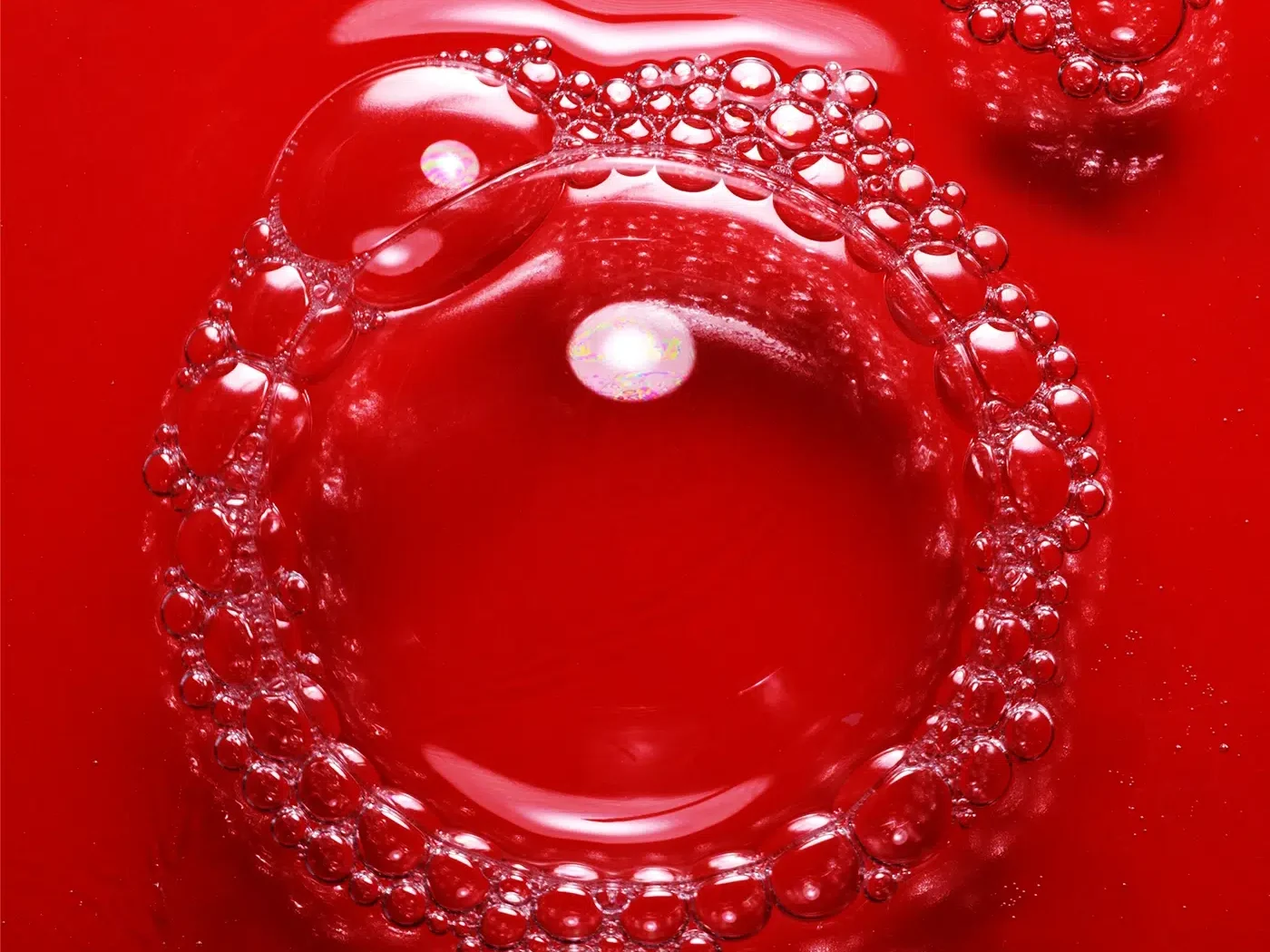
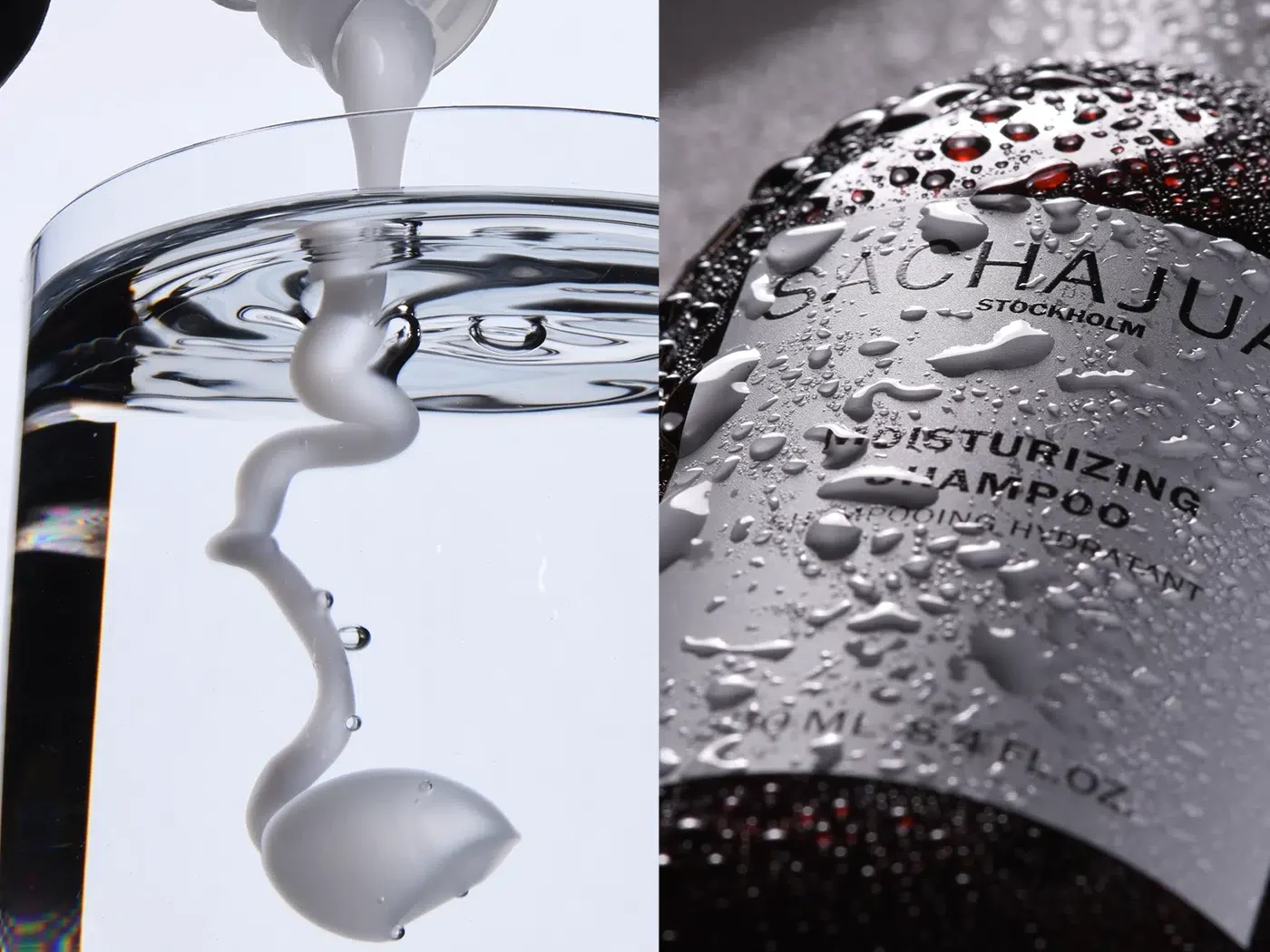
Need crystal-clear Close-Up pictures to highlight product quality?(click)
Want to add Action and Texture to your storytelling?(click)
Love to have quality Video of your products?(click)
We create texture rich, action packed, close-up photography and video of beauty products.
Ready for beautiful pictures?
Get in touch. Tap into a wealth of experience to complement the storytelling you create in-house.
Get in touch. Tap into a wealth of experience to complement the storytelling you create in-house.
Ex·per·tise
Merriam-Webster terms an expert as someone who has acquired a high level of skill through practical experience. Over the years we’ve helped Lancôme, Givenchy, Avon, Biotherm, Estee Lauder, Coty, Maybelline, Elizabeth Arden, eos, Halston, L’Oreal, Helena Rubenstein, Korres, and Revlon tell about the products they make.
We create beautiful close-up photography and video that lets you, occasionally, complement the marketing images you create in-house.
Merriam-Webster terms an expert as someone who has acquired a high level of skill through practical experience. Over the years we’ve helped Lancôme, Givenchy, Avon, Biotherm, Estee Lauder, Coty, Maybelline, Elizabeth Arden, eos, Halston, L’Oreal, H. Rubenstein, Korres and Revlon tell about the products they make.
We create beautiful close-up photography and video that lets complement the marketing images you create in-house.